How to Verify Sneaker Authenticity Fast

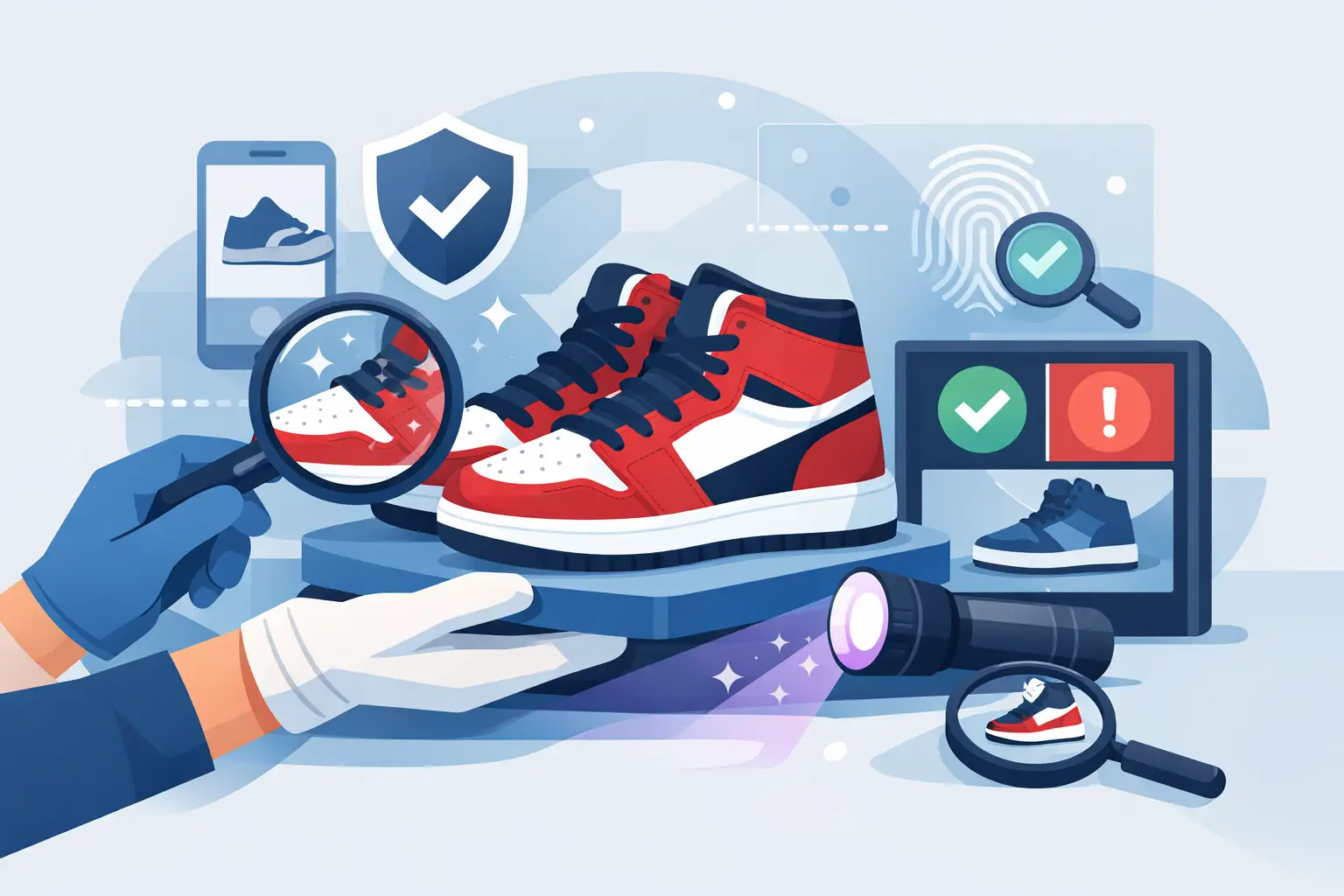
That too-good-to-be-true Yeezy listing usually tells on itself. Maybe the shape looks slightly off, the boost feels dead, or the box label seems weirdly clean for a pair that is supposedly rare. If you want to know how to verify sneaker authenticity before you spend real money, you need more than one quick glance. You need a method.
For hype pairs, especially Yeezys, fakes have gotten better. That is the reality. A single detail almost never settles it anymore. The smartest way to check authenticity is to stack signals – product shape, materials, stitching, labels, box details, sizing tags, and seller credibility. One green flag is nice. Multiple green flags are what build confidence.
How to verify sneaker authenticity without guessing
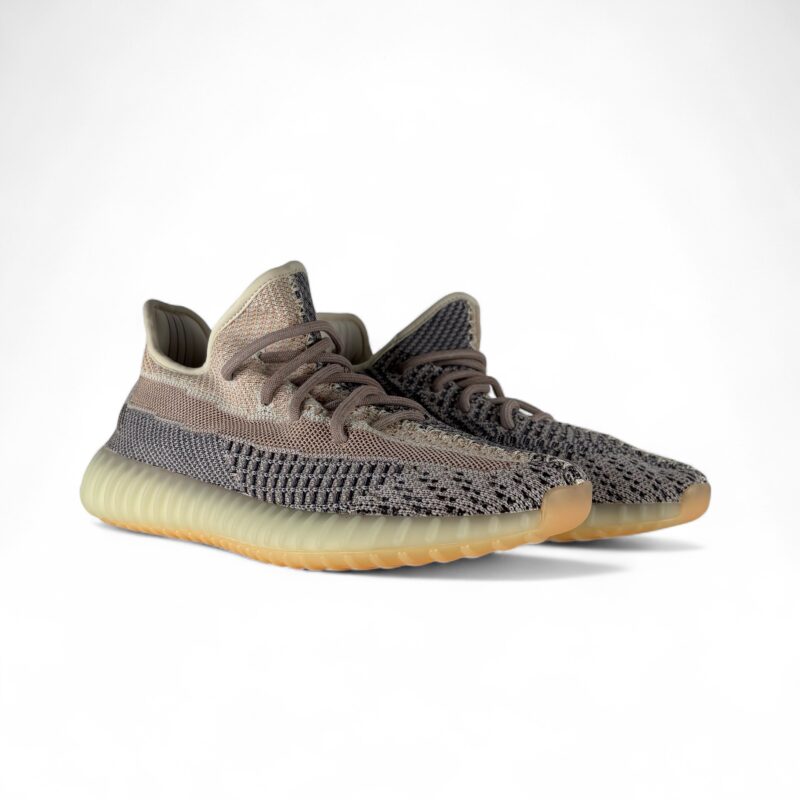
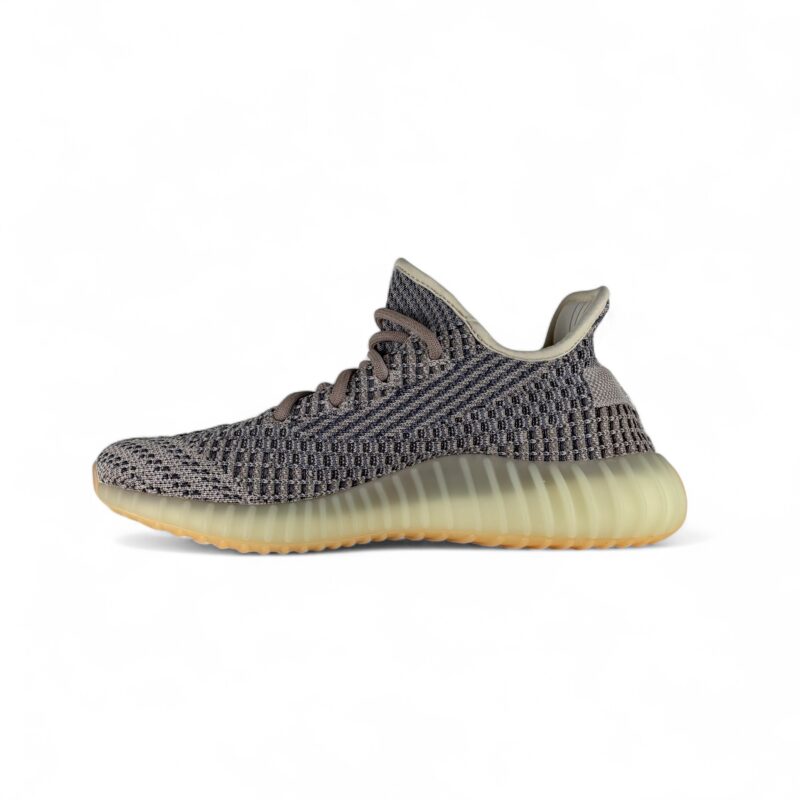
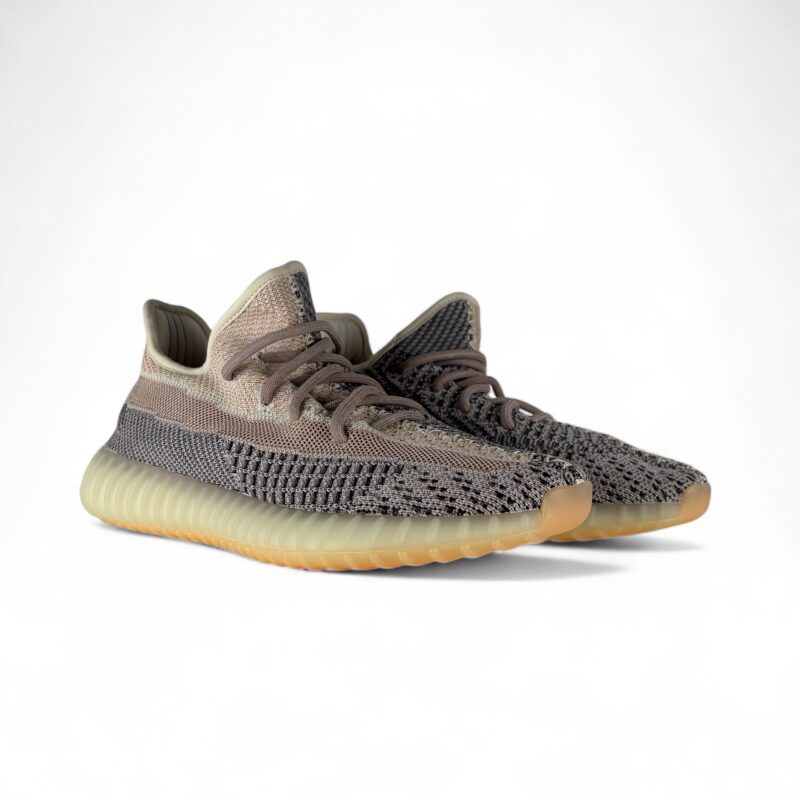
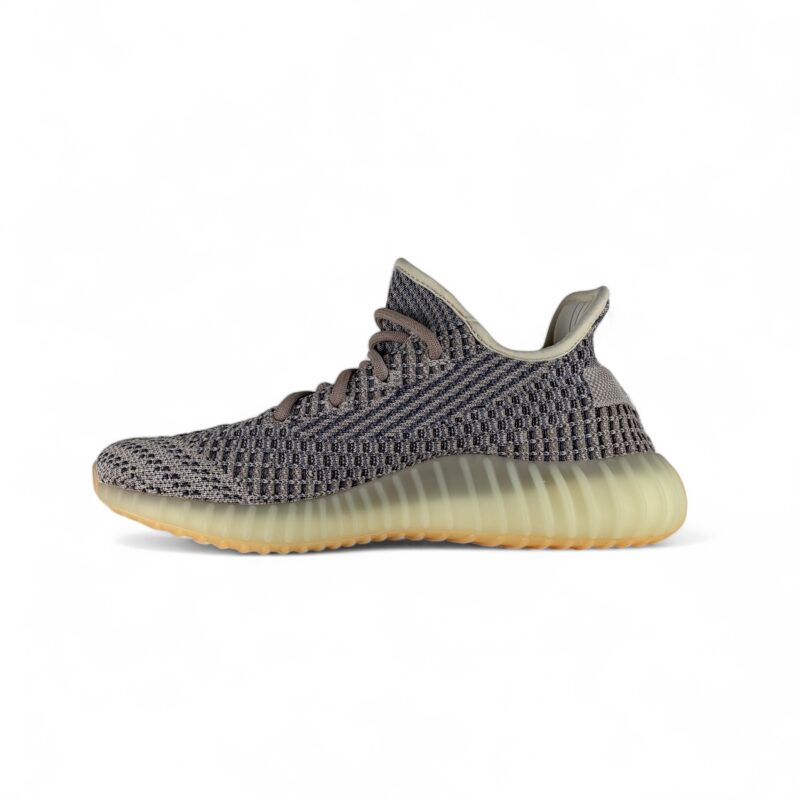
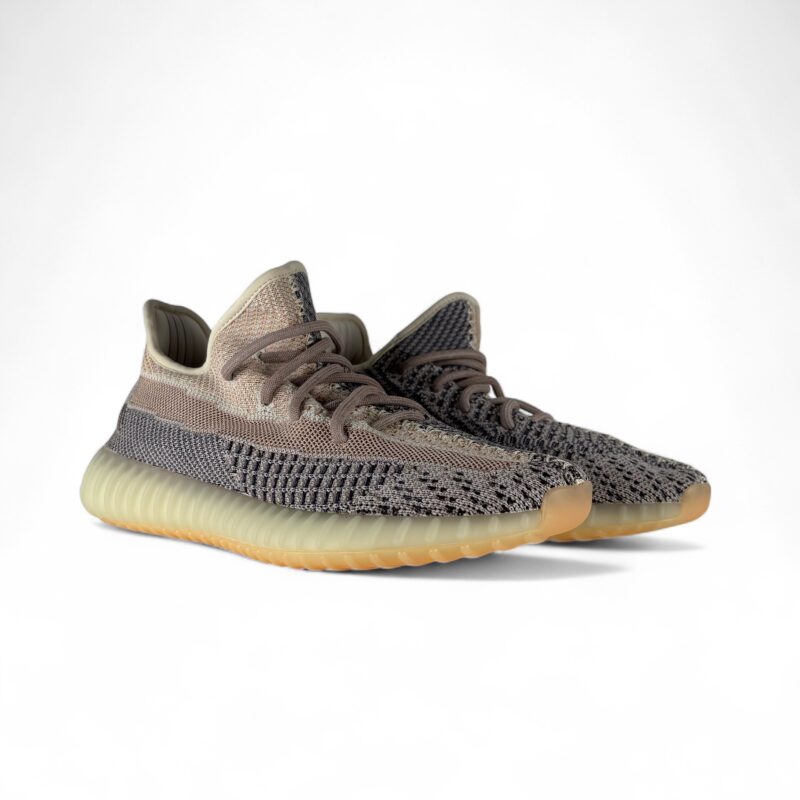
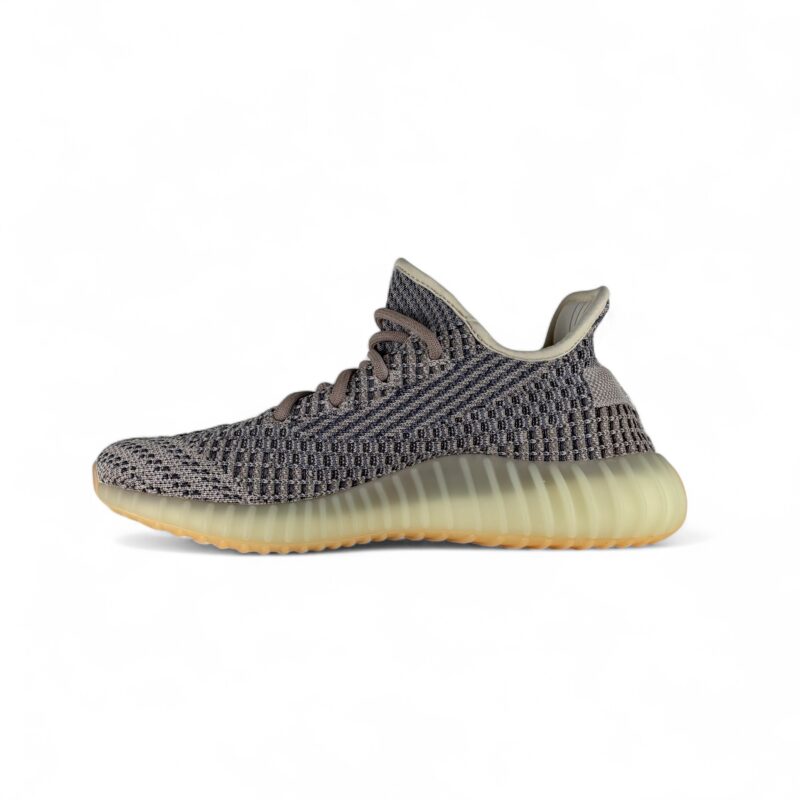
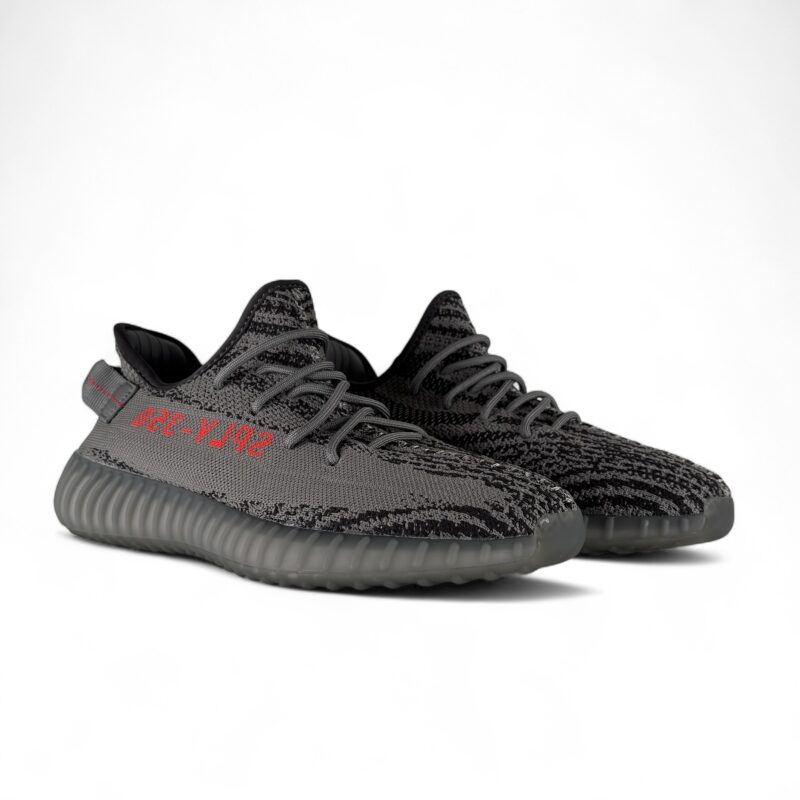
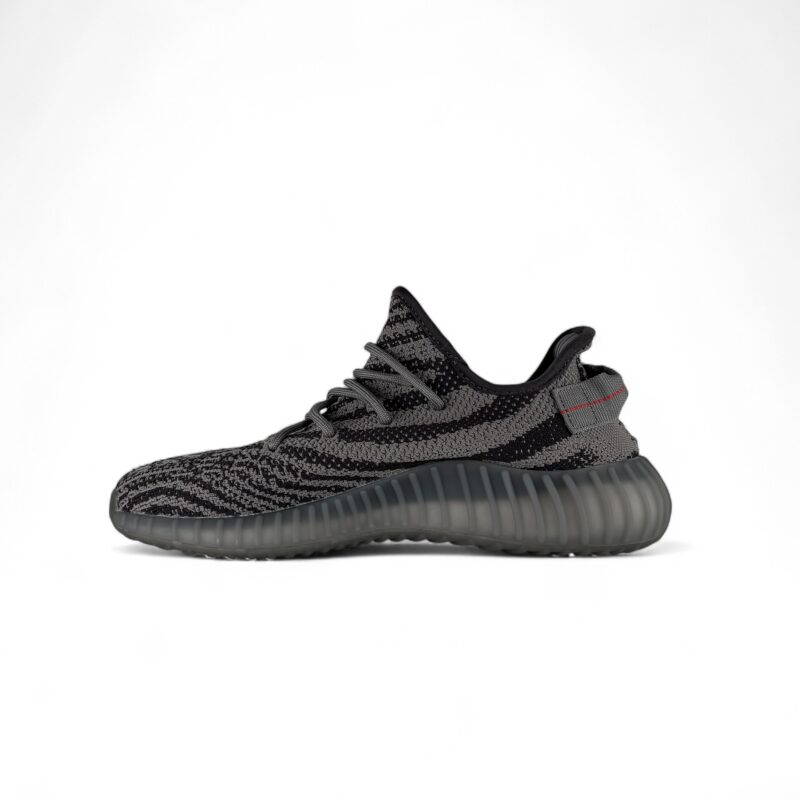
Start with the overall shape. This is the fastest first filter and one of the hardest things fake factories get perfectly right across every size. On many Yeezy pairs, the silhouette should feel intentional and balanced. The toe shape should not look too bulky or collapsed, and the heel should not stand unnaturally straight if the model is known for a softer curve. Even before you inspect the fine print, the shoe should look like itself.
Then move to materials. Premium sneakers usually reveal their quality in motion and texture, not just in photos. Knit should feel tight where it should be tight, soft where it should be soft, and consistent across both shoes. Suede should have life to it instead of feeling flat and plastic-like. Transparent side panels, midsoles, and pull tabs should all match the finish expected for that model and colorway. If one shoe looks slightly different from the other, that is not a small issue. It is a warning.
Stitching comes next. Authentic pairs are not always flawless because mass production is still mass production, but the stitching should look controlled. Lines should be clean, spacing should be consistent, and mirrored areas should make sense from left shoe to right shoe. Sloppy stitching by itself does not prove a fake, but uneven patterns, loose threads in key areas, or obviously crooked panels should slow you down.
The details that usually expose fake pairs
The size tag is one of the most checked areas for a reason. On adidas Yeezys, the inside label often carries production information, size formats, article numbers, and factory codes that need to look right for the release. Font weight, spacing, alignment, and print quality matter. If the tag looks blurry, overcrowded, or oddly spaced, that is a problem. If the information on the label does not match the model and colorway being sold, walk away.
Box labels matter too, but they are not enough on their own. A fake box can look convincing, and a real pair can come in a damaged box. Still, the label should match the shoe inside. Size, colorway, style code, and product naming should line up. If the seller shows a box label with a different size than the shoe tag, or if the color name does not fit the actual pair, do not rationalize it away.
Print quality is another quiet giveaway. Real packaging and labels usually have crisp text and solid spacing. Fake pairs often miss on tiny things – letters that look too bold, barcode areas that appear muddy, or sticker placement that feels random. These are small misses, but small misses add up fast.
Smell is not discussed enough, yet experienced buyers know it matters. Authentic new sneakers have that standard factory-new smell. Many fake pairs carry a stronger chemical odor from glue, dye, or cheap synthetic materials. Smell is not a final verdict because storage conditions can affect it, but it is part of the full picture.
How to verify sneaker authenticity on Yeezys specifically
Yeezys are detail-heavy, which helps if you know what to look for. Shape is huge here. Depending on the model, the Primeknit pattern, stripe placement, heel curve, tongue height, outsole transparency, and boost window all need to make sense together. A fake pair might get one or two of these right and still miss the overall profile.
Take the stripe on certain 350 releases. Placement, width, and length can be slightly off on replicas, especially near the toe and midfoot. On knit patterns, fake pairs often struggle with symmetry and tension. The pattern may look close in photos but feel wrong in person because the knit structure lacks the same precision. That is why detailed product photos matter. Side, top, heel, outsole, insole, and size-tag shots should all be available before you buy.
Boost is another area buyers obsess over, and for good reason. Real boost usually has a distinct texture and feel underfoot, while fake cushioning can look too stiff, too glossy, or oddly uniform. That said, boost alone should never decide the case. Some fakes have improved here. Use it as one checkpoint, not the only checkpoint.
Insoles and interior finishing can also reveal shortcuts. Look at logo placement, glue marks, stitching around the collar, and the quality of the footbed print. Counterfeit pairs often focus on what shows in listing photos and care less about what the buyer sees after opening the box.
Seller trust matters as much as the shoe
Even the best product photos mean less if the seller feels sketchy. One of the most underrated parts of learning how to verify sneaker authenticity is learning how to verify the source. A reliable seller should offer clear photos, accurate product naming, reasonable policies, secure checkout, and responsive support. If communication gets vague the moment you ask for size-tag photos or confirmation details, that is your answer.
Price is another signal, but not in the way people think. A high price does not prove authenticity, and a lower price does not always mean fake. Some sellers move pairs fast. Some buyers need quick cash. But if a highly sought-after Yeezy is listed far below market with no solid explanation, you are not getting lucky – you are taking on risk.
Consistency across the listing matters too. The product title, photos, SKU details, and size information should all agree with each other. When a listing mixes images from different pairs, uses stock photos only, or avoids close-ups of the tags and box label, you should assume there is a reason.
What photos should you ask for before buying?
If the listing is thin, ask for specific angles. You want lateral and medial side views, a direct top view, heel shots, outsole photos, the insole, the size tag, and the box label. If the pair is used, ask for close-ups of wear patterns and any damage. Honest sellers usually provide these without drama because clear information helps close the sale.
Video can help when photos feel too polished. A short clip showing both shoes in natural light, plus the box and tags, gives you a better read on texture, shape, and color. Studio lighting and heavy editing can hide problems. Natural lighting usually tells the truth faster.
Common mistakes buyers make
The biggest mistake is relying on one viral tip. People hear that a certain stitch count, box label, or boost texture proves everything. It does not. Authentication is layered. Real pairs can vary slightly by production run, factory, and size. That is why context matters.
Another mistake is rushing because the drop feels urgent. Hype creates pressure, and pressure kills judgment. If a seller wants instant payment but cannot answer basic questions, slow down. A missed deal hurts less than getting stuck with a fake pair.
Buyers also ignore wear-and-tear context. Used sneakers are harder to judge because shape softens, labels fade, boxes get swapped, and insoles wear down. That does not mean used pairs are unsafe to buy. It just means you need stronger evidence from the remaining details and the seller’s credibility.
The smartest way to buy with confidence
If you are serious about authenticity, think like a checker, not just a fan. Compare the pair against trusted release details, inspect the shape, review materials, read the tags, match the box, and evaluate the seller with the same energy you bring to the sneaker itself. Style matters, but trust matters just as much.
That is the edge. The most confident buyers are not the ones who know one magic trick. They are the ones who know how to stack proof until the answer feels clear. When the details line up, you can shop with a lot more confidence and wear your pair the way it was meant to be worn – bold, legit, and without second-guessing every step.