How to Spot Fake Yeezys Like a Pro


That too-good-to-be-true Yeezy listing usually gives itself away fast. The problem is that fake pairs keep getting better, and if you do not know exactly what to check, a clean photo set and a low price can pull you in. If you are wondering how to spot fake Yeezys before you buy, the answer is not one magic detail – it is a combination of shape, materials, labels, sizing tags, box details, and seller behavior.
Yeezys sit in that sweet spot where fashion, hype, and resale value all collide. That makes them one of the most copied sneakers in the game. Some replicas are obvious. Others are built to fool casual buyers, especially online, where you cannot feel the knit, inspect the Boost, or compare the pair side by side with an authentic release.
How to spot fake Yeezys before you buy
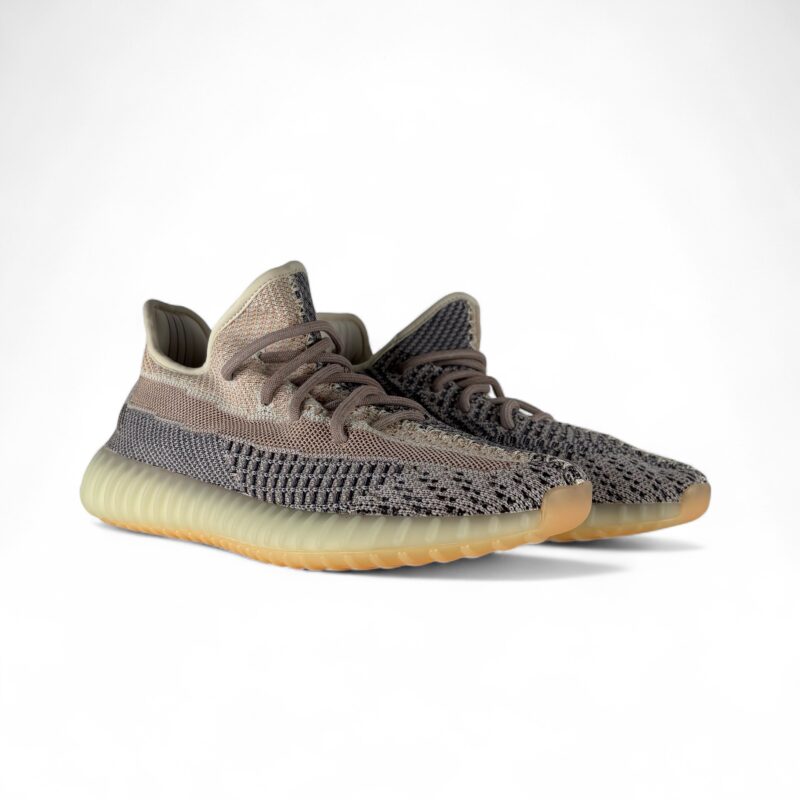
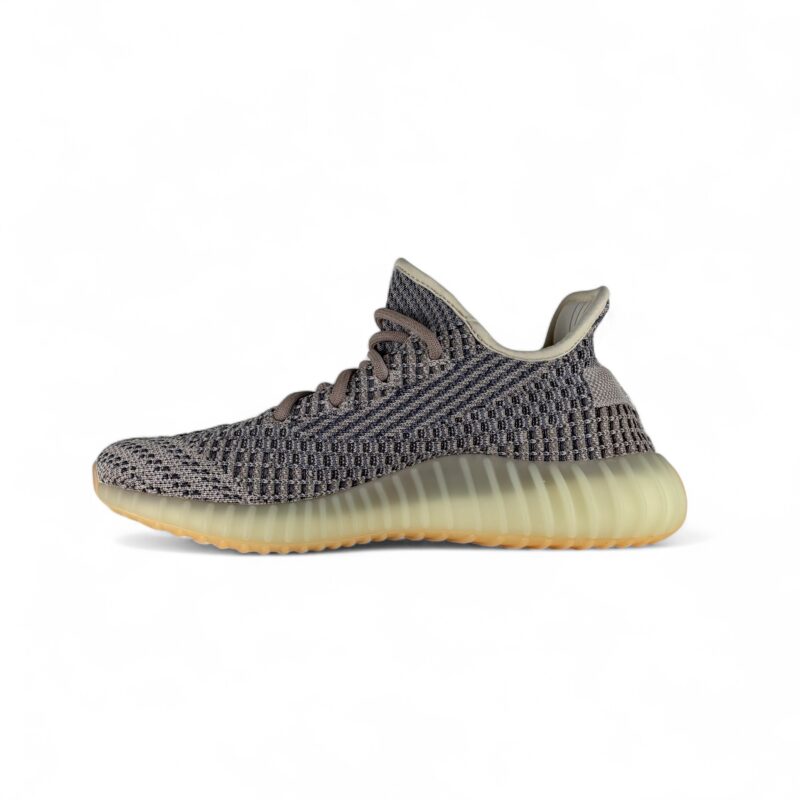
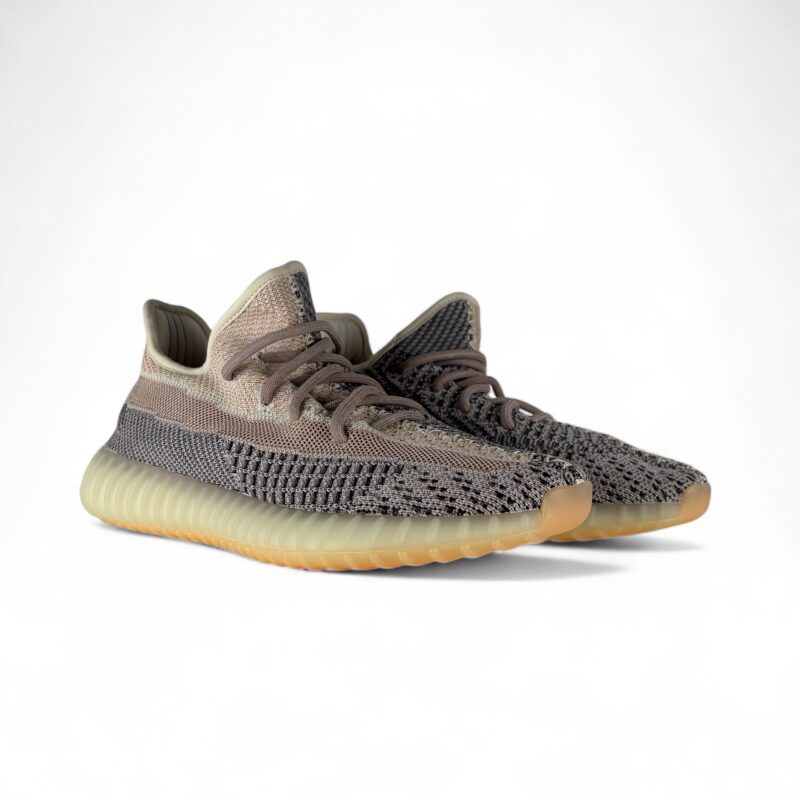
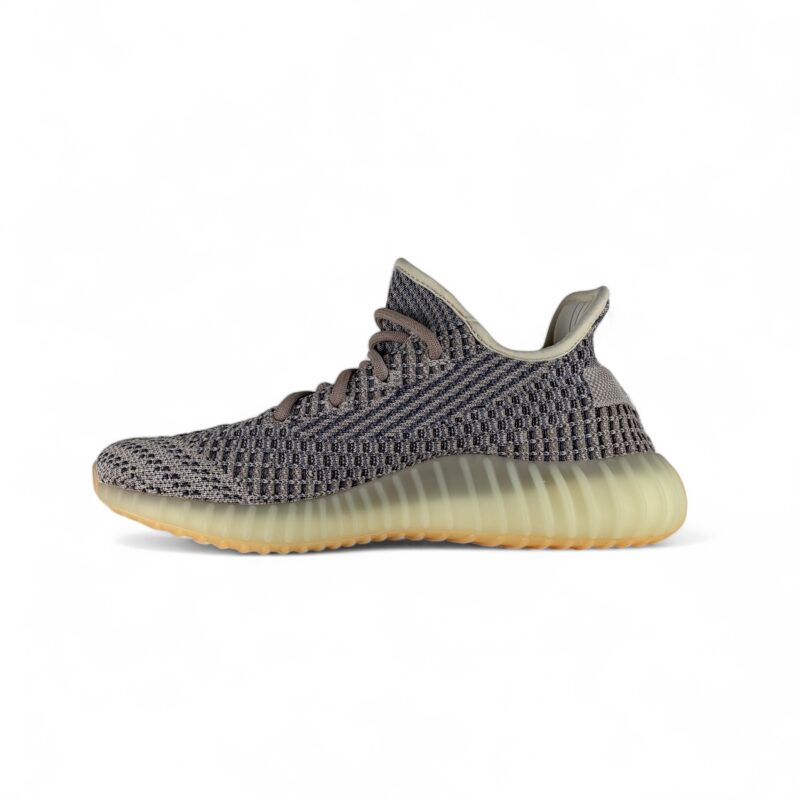
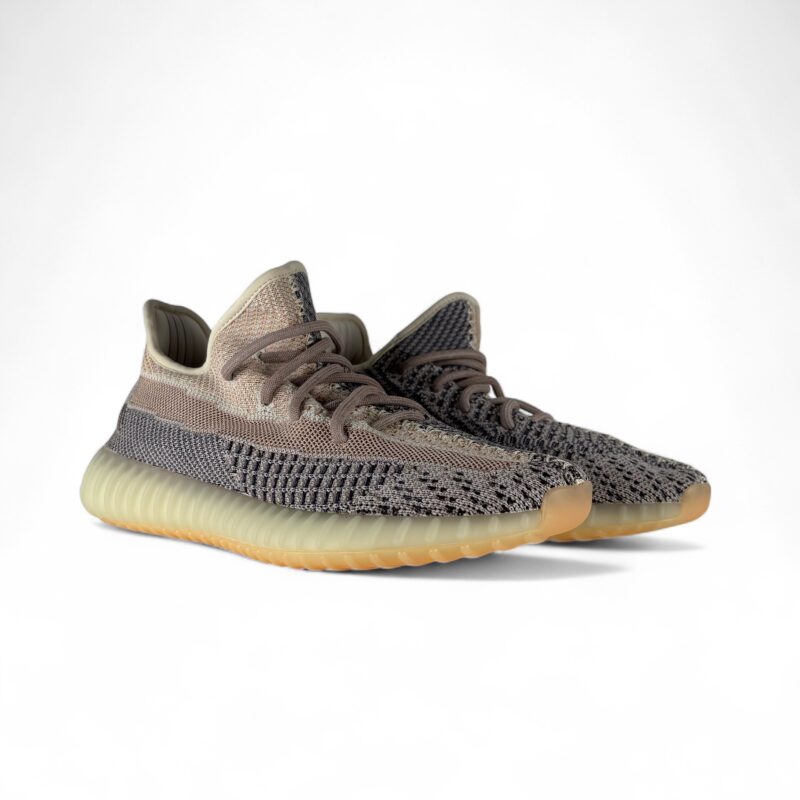
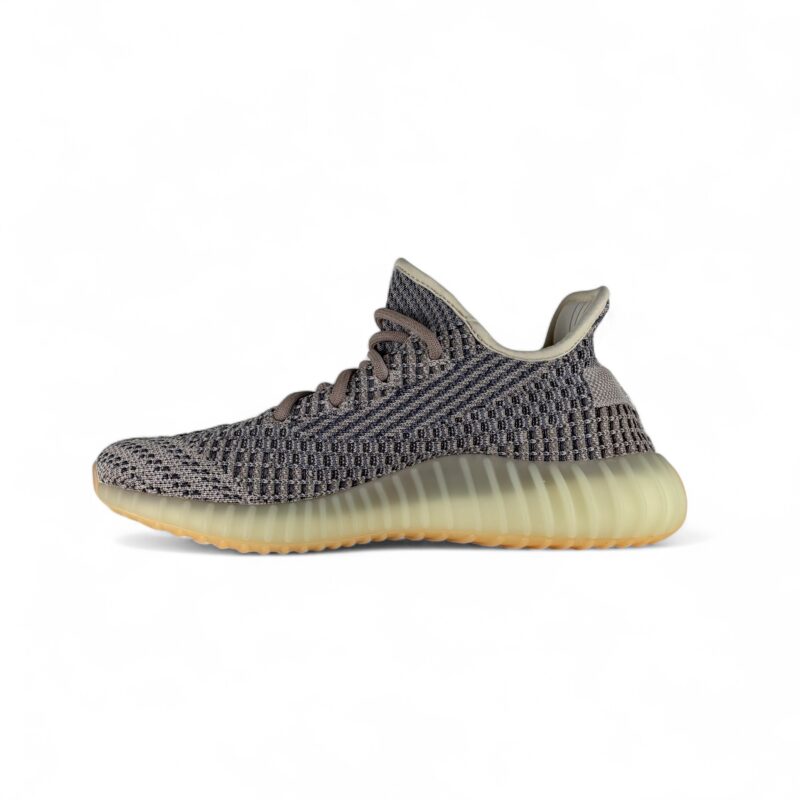
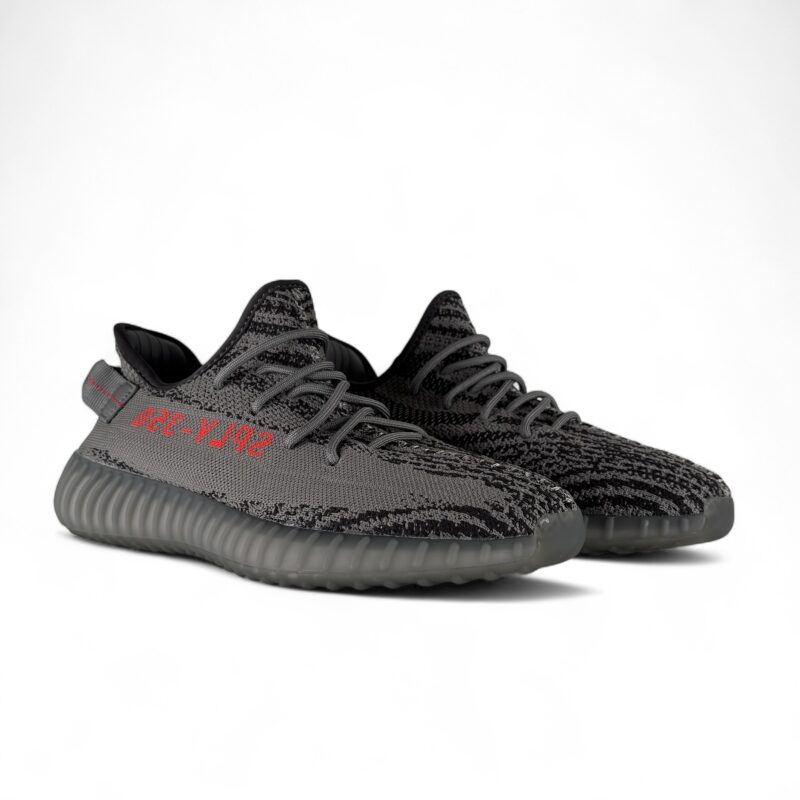
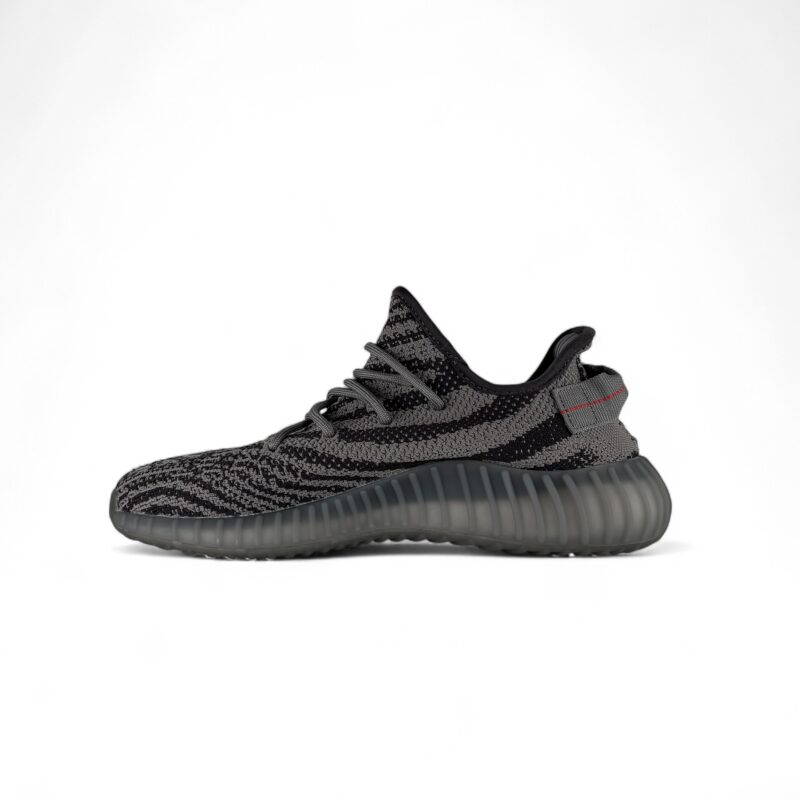
Start with the silhouette. Real Yeezys usually get the overall shape right in a way fakes struggle to match. On models like the Yeezy Boost 350 V2, the toe box should look sleek rather than bulky, and the profile should feel balanced from heel to toe. Many fake pairs look too tall, too stiff, or oddly curved. If the shoe seems off even before you zoom in, trust that instinct and keep checking.
Materials are the next big tell. Primeknit on authentic Yeezys has a precise pattern and a premium feel. It should not look flat, cheap, or overly shiny. On a fake pair, the knit often appears loose or inconsistent, and the pattern may look slightly wrong around the side stripe, toe area, or collar. Color also matters. Popular Yeezy colorways are heavily photographed, so if the shade looks noticeably off from known retail pairs, that is a red flag.
The heel tab, when the model includes one, deserves a close look. On many replica pairs, the tab is either too long, too short, or stitched at the wrong angle. The gap between the heel tab and the collar can also look wrong. This sounds small, but small details are exactly where counterfeit pairs lose control.
Check the Boost, outsole, and build quality
One of the easiest ways to understand how to spot fake Yeezys is to stop focusing only on logos. Counterfeit makers know buyers look for obvious branding, so they often get the easy stuff close enough. Build quality is where the gap shows.
On Yeezy Boost models, inspect the Boost through the outsole window and around the sole shape. Authentic Boost has a distinct texture with well-defined pellets and a soft but structured appearance. Fake Boost often looks overly smooth, too glossy, or unnaturally stiff. The outsole itself should fit cleanly against the upper without messy glue marks or uneven edges.
Stitching should look controlled, tight, and consistent. Loose threads, sloppy seams, and uneven pattern lines are classic warning signs. That said, one tiny flaw does not automatically mean fake. Factory pairs can have minor imperfections too. What you are looking for is a pattern of inconsistency, not a single stray thread.
The sole color can be another clue. On some Yeezy releases, replicas miss the exact tint of the translucent sole. It may look too yellow, too gray, or too clear compared with the authentic version. This is especially useful if you are checking a specific colorway with well-known release photos.
Labels and size tags matter more than most buyers think
Inside labels are one of the strongest authentication points. On authentic Yeezys, the size tag printing should look clean, sharp, and correctly spaced. The font, production dates, country code, and SKU information should all appear deliberate and easy to read. Fakes often get the layout close, but not quite right. Text may be too bold, too faint, too crowded, or misaligned.
Look at both shoes, not just one. On a real pair, label consistency matters. If the left shoe and right shoe tags have obvious differences in print quality or spacing, that is a problem. Also check whether the sizing format makes sense for the release. Some counterfeit pairs use incorrect regional size conversions or tag details that do not match the actual model.
The box label is just as important. The product sticker should match the shoe inside, including size, model name, and SKU. If the box says one thing and the shoe tag says another, walk away. A damaged box is not automatically suspicious, especially in resale, but mismatched information is.
The box and packaging can expose a fake fast
Packaging is not everything, but it helps. Authentic Yeezy boxes usually have a specific structure, print quality, and color tone. The cardboard should feel sturdy, not flimsy. Text placement should be crisp. On slide-out Yeezy boxes, the drawer movement should feel fairly smooth rather than loose and cheap.
Many fake boxes look close from a distance but fall apart under inspection. Fonts can be slightly off. The shade of the cardboard may be wrong. The label sticker may be placed unevenly or printed on low-quality stock. Tissue paper and internal packaging can vary by release, so do not make your call on wrapping alone, but poor packaging combined with shoe flaws is a strong warning.
If you are buying online, ask for clear photos of the box label, size tags, insoles, outsole, heel, toe shape, and side profile. A trustworthy seller should not get weird about that. If they dodge photo requests, crop out key details, or keep reusing generic images, that is telling you plenty.
Seller behavior is part of how to spot fake Yeezys
A lot of buyers focus on the sneaker and ignore the person selling it. That is a mistake. Seller behavior is often the first giveaway.
If a seller has multiple sizes of a hard-to-find Yeezy at a suspiciously low price, be careful. If their photos look inconsistent, heavily filtered, or pulled from different sources, be careful. If they cannot answer basic questions about the pair, the purchase date, or the condition, be careful.
Price is a clue, but not a final answer. A great deal can happen. Someone might need quick cash. A box might be damaged. The pair might be used. But if the price is dramatically lower than the normal market range for a high-demand colorway in strong condition, you should assume there is a catch until proven otherwise.
The safest move is buying from a specialized source that understands the category, presents product details clearly, and builds trust through transparent service, secure checkout, and responsive support. In a market full of noise, confidence matters.
Model-specific details can change the verdict
Not every Yeezy should be checked the same way. A 350 V2, Foam Runner, 700, and Slide all have different pressure points. On Foam Runners, shape and mold quality are huge. On Slides, texture, softness, and sole shape are key. On 700s, panel placement, suede quality, and overall proportions matter more.
That is why broad advice only gets you so far. If you are looking at a specific model, compare the exact colorway and release version. Yeezy production has changed across runs, and authentic pairs can show slight variation depending on factory and release date. This is where some buyers get tripped up. They assume any difference means fake, when sometimes it is just a legit variation.
So yes, details matter, but context matters too. The goal is not to panic over one small discrepancy. The goal is to read the whole pair like a story. Does the shape make sense? Do the materials feel right? Do the tags match? Does the box line up? Does the seller act like someone with a real product?
If enough pieces feel off, they probably are.
Buy with style and common sense
Yeezys are built to stand out, and the right pair still hits every time. But hype should never outrun judgment. The smartest buyers know how to slow down, inspect the details, and trust the full picture instead of getting sold by a flashy listing.
When you know how to spot fake Yeezys, you shop sharper, collect better, and wear your pair with more confidence. Style should feel exciting – not risky.